
How the West Midlands Responded to Support International Care Workers
Across the West Midlands, councils, care providers, and community partners have worked side by side to try to support international care workers at moments of real challenge. When sponsorships were revoked and workers suddenly faced job loss, housing insecurity, and financial hardship, local systems stepped in where national policy couldn’t always reach.
Practical support where it was needed most
Local authorities moved quickly to provide emergency help: linking workers to foodbanks, arranging temporary housing where they could and hosting drop-in events with partners like Tulia and many councils, including Dudley, Coventry and Warwickshire hosting their own events. They also developed practical guidance such as a local slang guide and cooking guides to help people settle. English language courses and buddying schemes built confidence, while care providers and partners worked to match displaced workers with new employers.
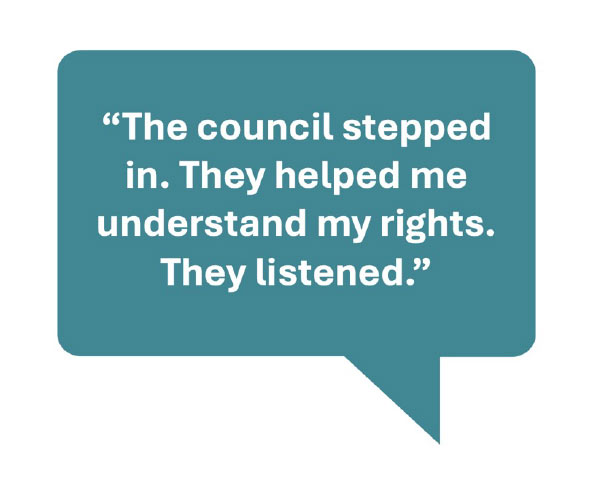
Workers themselves recognised the difference this made:
A regional response built on collaboration
What made the West Midlands response distinctive was the level of regional collaboration. Councils liaised directly with providers to speed up Certificates of Sponsorship and explored every possible option for redeployment. As the challenge and complexities grew, regional job-matching through Lifted has created a structured way to connect workers with employers ready to hire.
The International Recruitment Hub has become a trusted source for advice, while the regional Legal and HR support, delivered by Lester Aldridge, helped both workers and providers giving them somewhere to turn to for independent advice. Partnerships with faith groups and grassroots networks like Tulia helped to build trust and reach communities that might otherwise have been missed.
Learning and progress across the sector
Over time, councils and providers have developed:
- A clearer understanding of what it means to be a compliant sponsor and the support needed
- Improved knowledge of technical and legal recruitment issues
- Formalised partnerships that make recruitment smoother and more reliable
- Digital systems that enable remote interviews, wider reach, and faster placements
This has not only helped displaced international care workers find employment but has also strengthened the sector’s capacity for ethical recruitment in the future.
Real impact, real lives
The numbers tell part of the story: thousands of support requests handled, hundreds of workers moved into new employment, and over 9,000 people accessing the International Recruitment Hub. But behind each number is a real person – someone rebuilding their life, contributing their skills, and strengthening care services in our region.
In Dudley and Warwickshire, local events brought together care workers and support agencies under one roof, offering practical advice and a sense of community. In Coventry, regular “Welcome to Coventry” drop-ins created a safe space for new arrivals to meet others, learn about services, and feel part of the city. Across the region, employers and councils alike have said the experience has enriched their workforce and deepened their commitment to inclusion.
The road ahead
Despite some successes, huge challenges remain. Many international care workers still face uncertainty, and the closure of the visa route for adult social care roles in July 2025 and existing landscape has created further complexity. The programme’s impact shows what can be achieved when local systems step up – but it also highlights the ongoing need for support, collaboration, and resilience.
As one worker put it, sometimes the biggest difference comes from a simple act of human solidarity. The West Midlands has shown how powerful that can be – and how much more remains to be done.
Next steps
To explore the next steps and how we can continue moving forward together as a region to support workers and communities, read the full Learning & Evaluation Report.
