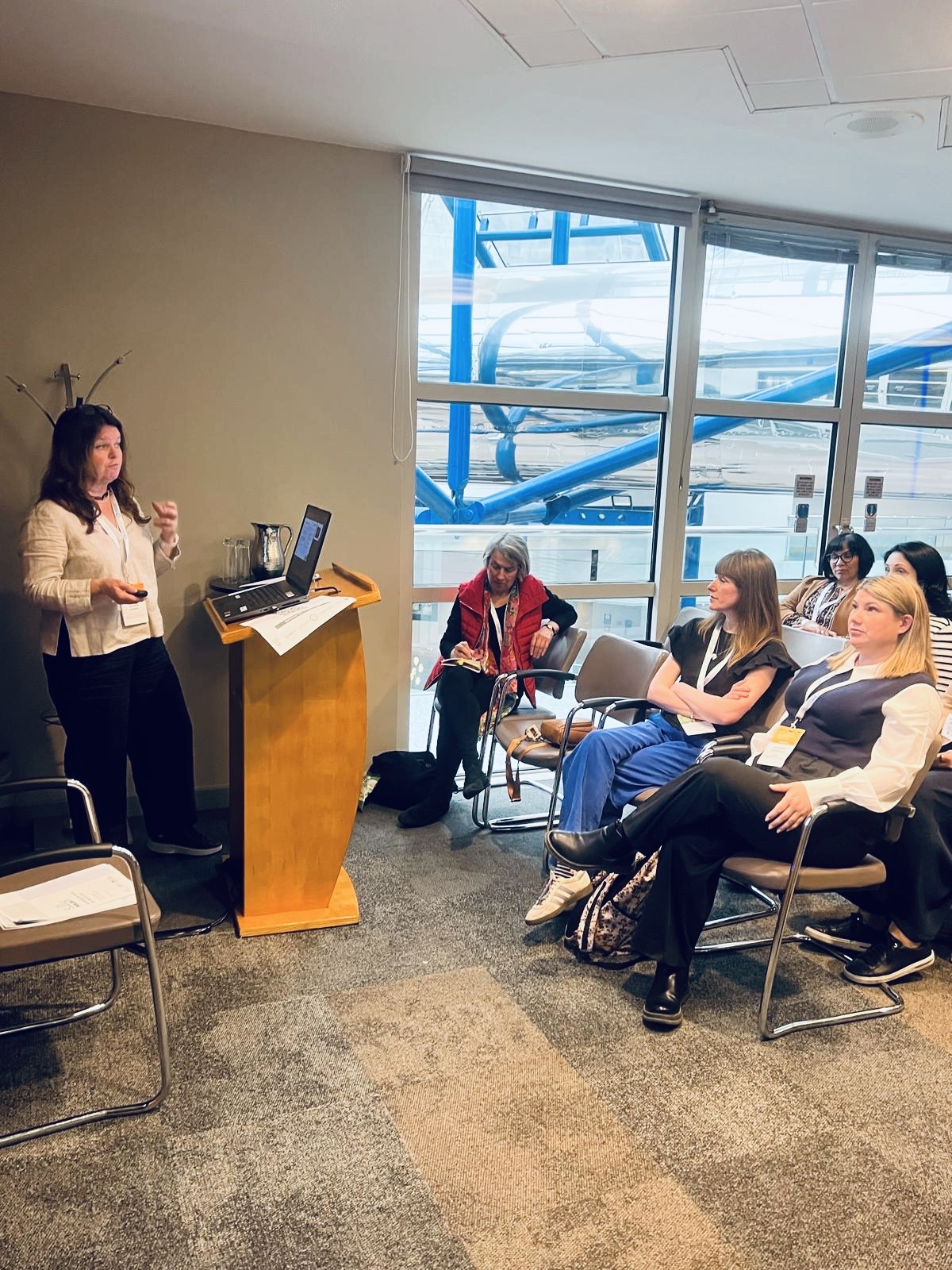
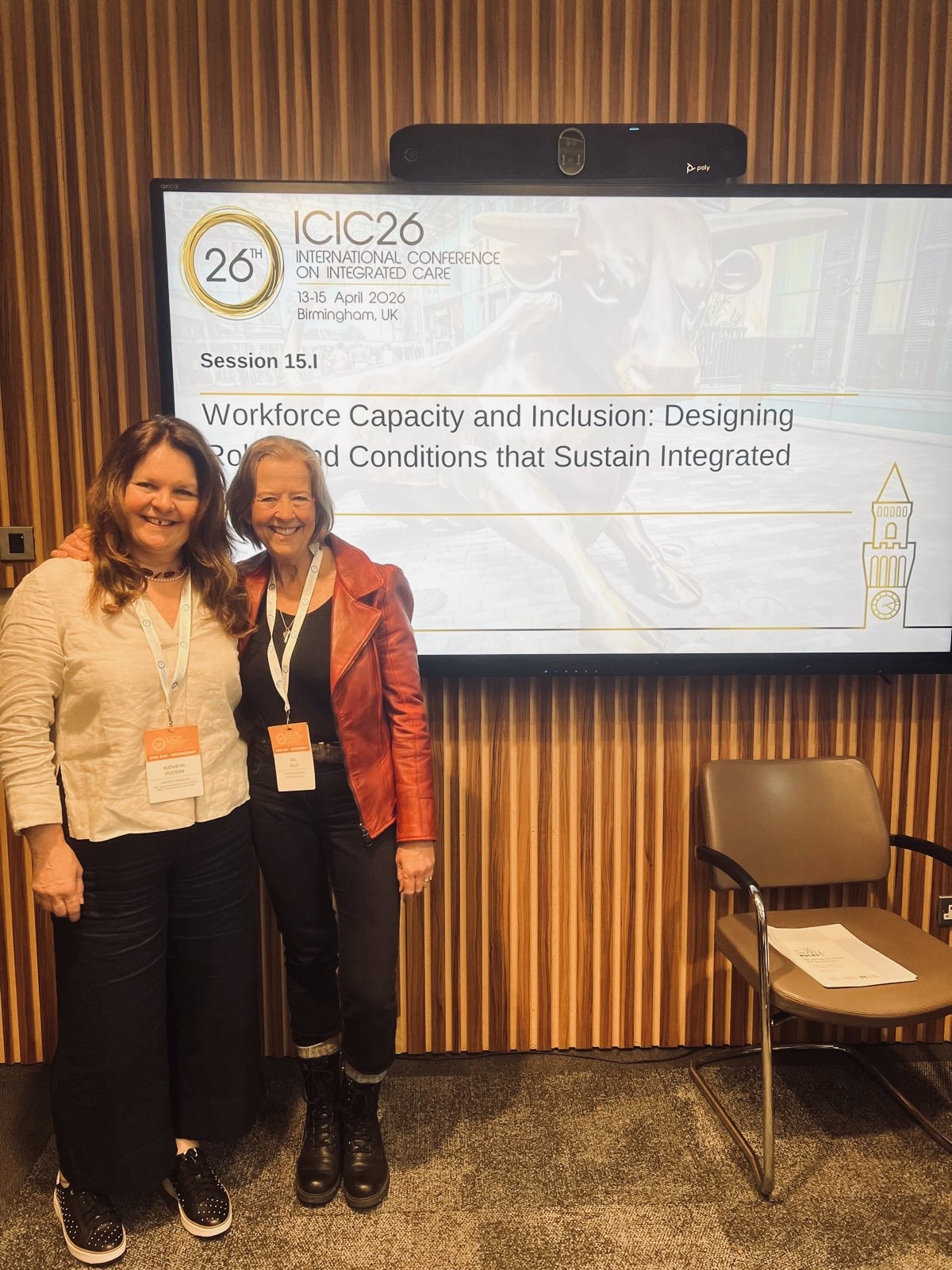
Dr Kathryn Hudson, International Recruitment Learning & Evaluation Lead at WM-ADASS, shares reflections from the International Conference on Integrated Care 2026 (ICIC26) and the learning emerging from the West Midlands International Recruitment Programme.
Reflections from ICIC26 on workforce, people and place
Presenting at ICIC26 provided an important opportunity to share the learning and evaluation emerging from the West Midlands International Recruitment (IR) Programme, a regional response to some of the most significant workforce pressures adult social care has faced in recent years.
What we presented was not simply an evaluation of recruitment activity. It was a live case study of how an integrated regional system adapts under conditions of rapid policy change, workforce vulnerability and ethical uncertainty, and what this means for research, policy and practice internationally.
At its heart, this work explored how systems can respond rapidly to workforce crisis while remaining ethically grounded, locally responsive and centred on people’s lived experiences.
Why this work matters
Between 2022 and 2025, adult social care in England experienced unprecedented volatility. International recruitment expanded rapidly, then contracted abruptly. In the West Midlands this created real human consequences: skilled international care workers arriving with hope and purpose, only to find themselves displaced when sponsorship arrangements collapsed or policy changed overnight.
Our programme began as a response to workforce shortages, but it quickly pivoted. By 2024–25, the focus shifted decisively towards stabilising a disrupted labour market, safeguarding workers, and enabling ethical, in‑country redeployment at scale.
The learning from this period is inseparable from its context. And that, for me, is one of the key research messages from ICIC26:
Workforce research cannot be separated from the systems, policies and communities within which people live and work.
How we approached learning and evaluation
The evaluation used a double‑diamond design approach, combining quantitative service data with qualitative insight gathered through bi‑monthly interviews, small pilot case studies and delivery partner reflections. This adaptive approach proved essential during rapid policy shifts.
What emerged strongly was the value of a layered regional infrastructure:
- strong governance and cross‑sector partnerships
- ethical, legal and safeguarding leadership
- digital and data-enabled intelligence
- and, crucially, people- and community‑centred support
Together, these enabled the programme to operate at scale while remaining ethically grounded and locally responsive.
Impact and the importance of people’s stories
By mid‑2025, the programme had:
- supported over 9,000 users through its regional hub
- responded to more than 3,500 workforce enquiries
- enabled the redeployment of hundreds of displaced care workers
- strengthened provider capability through safeguarding, compliance and workforce support
But numbers only tell part of the story.
One of the most resonant themes of ICIC26 and something highlighted in earlier conference sessions is that research about people must include people’s stories.
International care workers are not units of labour. They are individuals navigating complex systems, immigration rules, employment relationships and community integration often simultaneously. Stories like Aisha’s, shared during our presentation, remind us why ethics, compassion and consistency matter just as much as systems and scale.
Integration is always local
A second conference theme that deeply aligns with our learning is this:
Integration only works when we understand the communities within which collaboration is taking place.
Whether we are talking about workforce integration, service integration or system integration, success depends on local relationships, trusted intermediaries and community-based intelligence. This was evident throughout the West Midlands programme and echoed repeatedly in discussions with international colleagues at ICIC26.
These challenges and these solutions are not UK-specific.
Across the conference, it was clear that countries are grappling with the same tensions: workforce shortages, ethical international recruitment, policy instability, and the need to integrate across sectors. ICIC26 provided a powerful space to learn with global colleagues, not just talk to them.
Looking ahead
The West Midlands IR Programme raises important research questions for the future:
- How do integrated systems respond to rapid policy change on workforce without losing the ethical intent for recruitment practice?
- What role do communities play in recruitment, retention and workforce wellbeing?
- How can digital and AI-enabled tools support at scale rather than replace human workforce support?
These questions now extend well beyond one region or one programme.
With thanks
Thanks go to Professor Robin Miller, University of Birmingham, for leading ICIC26 in the UK and for creating such a thoughtful, inclusive platform for sharing social care research with an engaged international audience. Opportunities like this matter not just for dissemination, but for collective learning across boundaries.
The West Midlands experience reinforces a simple but vital truth: When workforce systems centre people, place and partnership, they are better equipped to weather uncertainty and deliver ethical, sustainable impact.